Cattle Farming in Ghana: Beef, Dairy & Fattening
A practical Ghana-first guide to cattle farming - pick between beef, dairy and short-cycle fattening, size your capital in GH₵, plan pasture and feed, and time sales around the festive markets that actually pay.
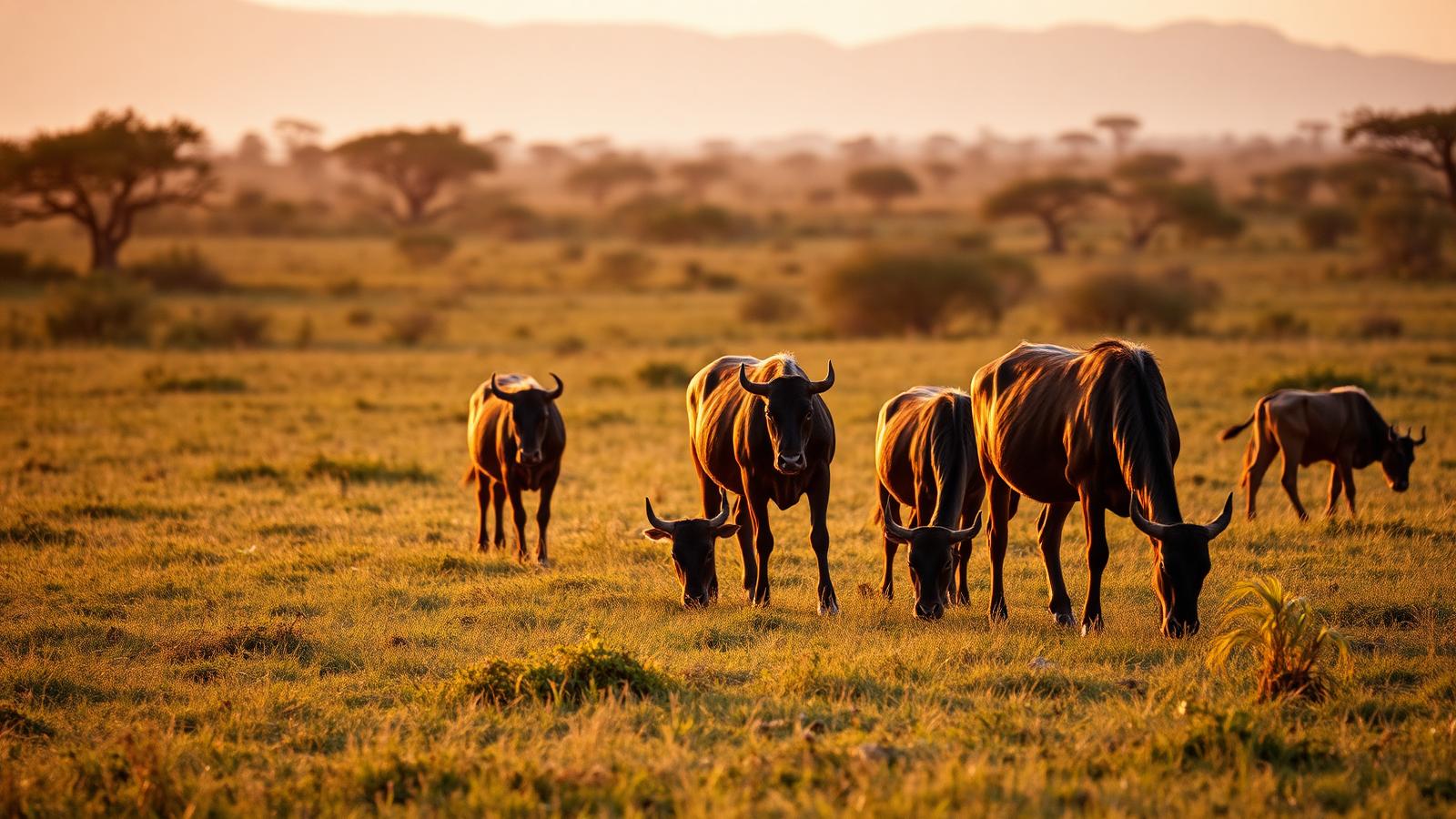
Beef, dairy or fattening - pick your model first
Cattle farming in Ghana comes in three very different shapes. Confusing them is the single most expensive mistake new farmers make.
Beef breeding keeps a herd of cows, breeds them yearly, and sells weaned calves or grown steers. It is land-heavy, slow, and needs 3-5 years before it pays back. Suits farmers with inherited land in the Northern, Upper East or Upper West regions.
Dairy milks Friesian, Jersey or Sanga crosses twice a day and sells to processors or direct to buyers. It needs zero-grazing housing, cooling, and a reliable milk buyer - which in Ghana is mostly Accra, Kumasi and Tamale peri-urban. Capital-intensive and unforgiving on management.
Fattening buys lean adult bulls or steers, feeds them hard for 90-120 days, and sells them heavier at a premium - especially into Eid al-Adha and Christmas markets. Fast cash cycle, lower land needs, and the model most first-time cattle farmers should start with.
A useful rule: if you have less than 5 hectares and want returns within a year, start with fattening- 5 to 10 head, one cycle, then decide whether to grow.
GH₵ startup for a 10-head fattening lot
Real 2026 numbers for a 90-day fattening cycle in Ghana, buying lean Sanga or Zebu bulls at ~250 kg live weight and selling them at ~350 kg.
- 10 lean bulls at GH₵ 6,500 each: GH₵ 65,000
- Concentrate feed (~600 kg per head over 90 days at GH₵ 6/kg): GH₵ 36,000
- Forage / hay / crop residues: GH₵ 6,000
- Deworming, mineral licks, vet: GH₵ 2,500
- Water, salt, transport in: GH₵ 2,000
- Labour (one herdsman, 3 months): GH₵ 3,000
Total variable cost ≈ GH₵ 114,500, or GH₵ 11,450 per head before housing.
A basic kraal with a covered feeding area for 10 head costs GH₵ 15,000-25,000 in materials. Amortise it over 3-4 cycles a year for 5+ years - do not load it onto the first cycle.
Pasture, Napier and Brachiaria
Ghana's natural savanna carries roughly one adult cow per 2-3 hectares in the north and 1-2 hectares in the transition zone. That is fine for a semi-extensive breeding herd. For fattening it is too slow - you want the animals in a kraal eating cut-and-carry forage plus concentrate, not walking off their weight gain.
Two forage crops actually earn their keep in Ghana:
- Napier grass (Pennisetum purpureum) - high yielding, cut every 6-8 weeks, ideal for zero-grazing dairy and fattening. Establish from stem cuttings in the rains.
- Brachiaria (Mulato II, Cayman) - drought tolerant, good for grazing paddocks and hay. Palatable and boosts daily weight gain over native savanna grasses.
Add a small plot of stylosanthes or leucaena as a protein bank. A herdsman cutting one basket of leucaena leaf into the daily ration is cheaper than another bag of concentrate.
Feed and weight-gain targets
A fattening bull in Ghana should gain 0.8-1.1 kg per day on a balanced ration. Below 0.6 kg/day the cycle loses money. Above 1.2 kg/day usually means you are overfeeding concentrate and eroding margin.
A working daily ration for a 300 kg bull:
- Forage: 15-20 kg fresh Napier or Brachiaria (or 6-8 kg hay).
- Concentrate: 5-7 kg (maize bran, wheat bran, cottonseed cake, palm kernel cake blend).
- Minerals: free-choice salt block and dicalcium phosphate.
- Water: 30-50 litres clean water, always available.
Weigh a sample of 3 animals every two weeks - a weigh tape round the girth is close enough. If daily gain drops below 0.7 kg for two weeks running, check water, worms, and concentrate quality before you change anything else.
Diseases you must plan for
Three disease groups drive most cattle losses in Ghana. All three are manageable if you plan for them.
- Foot-and-mouth disease (FMD) - highly contagious, causes weight loss and market bans. Vaccinate yearly through the Veterinary Services Directorate and quarantine any new arrivals for 21 days.
- Tick-borne diseases (anaplasmosis, babesiosis, heartwater) - spray or hand-dress with a registered acaricide every 7-14 days. Ticks alone can drop daily gain by 200-300 g per animal.
- Internal parasites - deworm on arrival, at day 45, and 14 days before sale. Rotate active ingredients to slow resistance.
Add blackleg and anthrax vaccinations if your area has a history - your district vet knows. Keep a simple health record per animal: arrival weight, vaccinations, treatments, sale weight. That record is worth real money at the market gate.
Market timing and prices
A finished 350 kg bull sells for GH₵ 14,000-18,000 live weight in normal months, rising to GH₵ 18,000-24,000 in the two weeks before Eid al-Adha (Tabaski) and Christmas.
Sell direct where you can. Ashaiman, Kumasi Kejetia, and Tamale cattle markets set the reference price, but hotels, butchers, and event caterers in Accra pay a premium for guaranteed weight and disease-free stock.
Line up two or three buyers before your cycle ends. A single buyer who cancels late can shave GH₵ 1,000 off every head through discount pressure.
Cashflow: one 90-day fattening cycle
Take the 10-head fattening lot. Assume 2% mortality (rounded to zero on 10 head with tight management), average sale price GH₵ 16,000 per head. Revenue: GH₵ 160,000. Variable cost GH₵ 114,500 leaves GH₵ 45,500 gross margin per cycle.
A well-run kraal runs 3 cycles a year(90-100 days feeding, then 3-4 weeks to buy the next batch and rest the kraal). Gross annual margin: ~GH₵ 136,500. Subtract kraal amortisation (GH₵ 5,000) and permits - net income lands around GH₵ 125,000-130,000.
The two ways this collapses: buying overpriced lean stock in the rainy season when supply tightens, and losing daily gain to worms or ticks nobody checked. Both are avoidable with records and a routine.
Your next steps
Before you buy a single animal:
- Walk two working kraals in your district. Ask about their worst cycle, not their best.
- Talk to two buyers - one market trader, one butcher or hotel - and get a rough per-kg indication for finished stock.
- Cost your feed for a full cycle before you commit. Concentrate price swings of GH₵ 1/kg change the whole economics.
Log every animal, weight check, and expense in FamRite from day one. Ask questions in AgroChat #cattle-market and #ask-a-vet - other Ghanaian farmers have already made the mistakes you are about to avoid.
Frequently asked questions
How much money do I need to start cattle fattening in Ghana?
For a 10-head fattening cycle expect around GH₵ 115,000 in variable cost (animals, feed, vet, labour) plus a one-off GH₵ 15,000-25,000 for a basic kraal. First-time farmers should start with 3-5 head and budget GH₵ 40,000-60,000 for the first cycle.
How long does cattle fattening take?
A typical Ghana fattening cycle runs 90-120 days. You buy a lean 250 kg bull, feed for weight gain of 0.8-1.1 kg per day, and sell at ~350 kg. A well-run kraal completes 3 cycles per year.
Which cattle breed is best for Ghana?
For fattening and hardy beef, local Sanga and Zebu crosses work best - they tolerate heat, disease and marginal feed. For dairy, Friesian and Jersey crosses with Sanga give more milk than pure exotics can sustain in Ghana's climate.
When are cattle prices highest in Ghana?
Prices rise 20-40% in the two weeks before Eid al-Adha (Tabaski) and Christmas. Time your cycle so animals are finished 7-10 days before those festive weekends.
How much land do I need for cattle in Ghana?
For fattening in a kraal with cut-and-carry forage, 1-2 hectares handles 10 head. For semi-extensive beef breeding you need 2-3 hectares per adult cow in the north, 1-2 hectares in the transition zone.
Run your farm with FamRite
Track flocks, log expenses in GH₵, and get answers from the FamRite community - all in one app.