
Sheep Farming in South Africa: A Practical Startup Guide
South Africa runs about 20 million sheep, most on Karoo and Highveld veld. This guide is for the emerging or first-generation commercial farmer starting a 50-ewe flock - breed choice, R startup costs, veld and predator management, and where the abattoir money comes from.
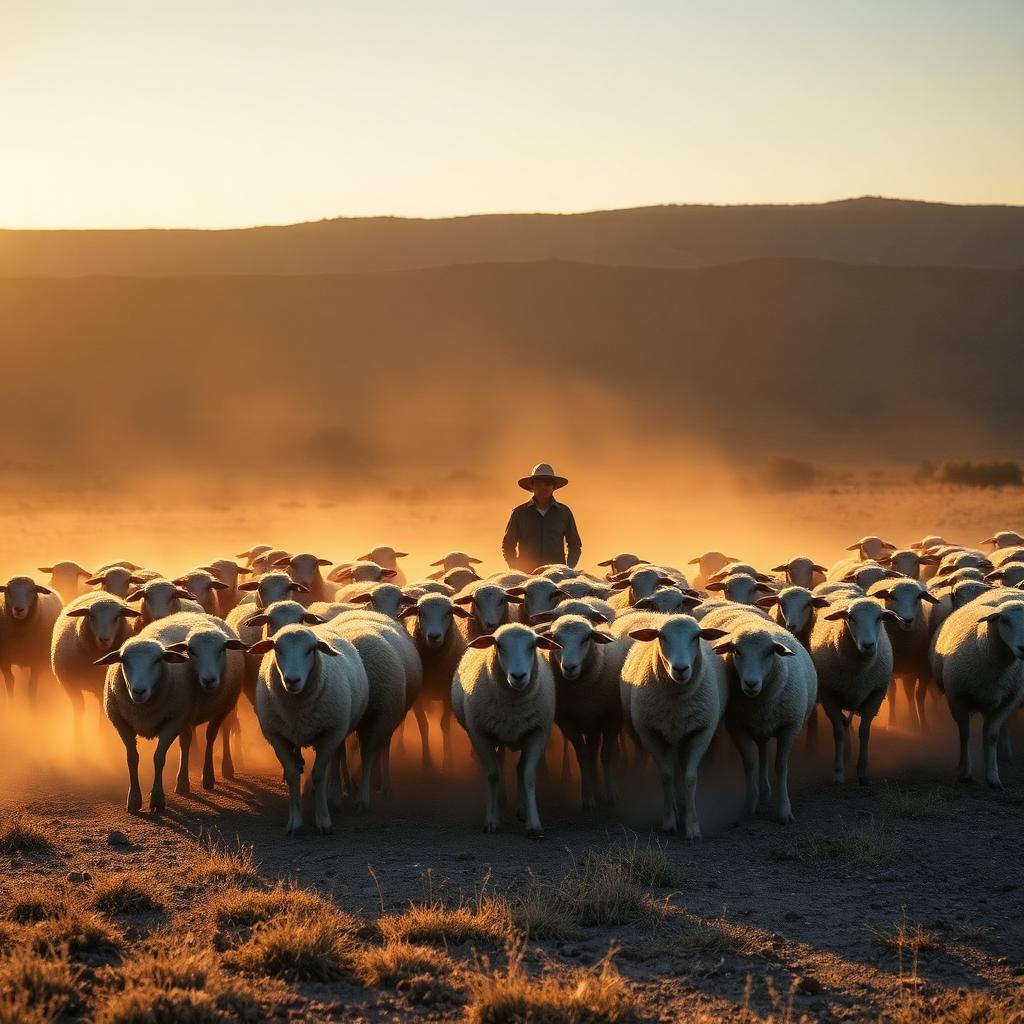
Dorper, Merino, Dohne or Meatmaster - pick your product first
South African sheep are either mutton breeds, wool breeds, or dual-purpose. Pick your product before you pick your ram.
- Dorper - the workhorse mutton breed. Hair sheep (no shearing), fast growth, tolerates dry veld from the Karoo to Limpopo. Best all-round starter.
- Merino - fine wool at 18-22 micron. Higher management (shearing every 12 months, more disease pressure) but wool cheques are a second income stream.
- Dohne Merino / SA Mutton Merino - dual-purpose. Better mutton conformation than pure Merino, still shears a useful clip.
- Meatmaster - hair sheep bred in SA for the drier northern areas. Excellent mothering, forgiving of rougher veld than Dorper.
- Damara / Persian - indigenous, extremely hardy, lower carcass value but survives where composite breeds struggle.
A first-time farmer in the Karoo or Free State should default to Dorper or Meatmaster: no shearing overhead, fast lamb turnover, and buyers everywhere.
Veld and stocking rate - the number that decides everything
South African sheep farms live or die on carrying capacity, expressed in hectares per Small Stock Unit (ha/SSU). This varies enormously by region:
- Sweet Karoo (Beaufort West, Graaff-Reinet): 6-10 ha/SSU.
- Bushveld (Limpopo, North West): 4-7 ha/SSU.
- Highveld sourveld (Free State, Mpumalanga): 2-4 ha/SSU.
- Karoo Nama (arid, western): 12-20 ha/SSU.
Overstocking is the number one cause of veld collapse. Know your area's official carrying capacity (department of agriculture publishes it per district) and stock at 80-90% of it. A 50-ewe flock (roughly 60 SSU including lambs and a ram) needs 240-600 ha of Karoo veld or 120-240 ha of Highveld.
R startup costs for a 50-ewe Dorper flock
Realistic 2026 South African costs for a first commercial flock on leased or family land:
- 50 pregnant/young Dorper ewes: R 2,800-3,600 each ≈ R 160,000
- 1 registered Dorper ram: R 12,000-25,000
- Kraal, handling race, dip tank (basic): R 45,000
- Predator-proof fencing upgrades (jackal wire, electrified strand): R 80,000-140,000
- Lick, salt, dosing, vaccines (year 1): R 22,000
- Water points, troughs, tank: R 35,000
All-in startup ≈ R 370,000-440,000 before land. Once running, a well-managed 50-ewe Dorper flock weans 55-70 lambs per year (110-140% lambing) at 32-38 kg live weight, grossing around R 220,000-320,000 a year at abattoir prices.
Feed, supplement and lick
Most South African sheep get 80-90% of their diet from veld and only need targeted supplements at three points:
- Late pregnancy (last 6 weeks) - protein-energy lick to avoid pregnancy toxaemia and low birth weights.
- Lactation - production lick keeps ewe body condition and lamb growth on track.
- Dry season (winter Karoo / autumn Highveld) - urea-based maintenance lick lets ewes digest dry veld.
Feedlot finishing on maize-based ration is common for lambs that haven't reached target weight off veld. Budget 30-45 days at 1-1.4 kg feed per lamb per day. Only feedlot when the lamb-to-feed price ratio is right - some seasons it's cheaper to sell lighter.
Jackal, caracal and predator losses
Black-backed jackal and caracal are the single biggest cause of small stock losses in South Africa - some farms lose 8-15% of lambs a year to predation. There is no single answer; a working stack is:
- Predator-proof fencing - jackal-proof mesh with an electrified bottom strand around at least the lambing camps.
- Livestock guardian dogs - Anatolian, Maluti or Kangal raised with the flock from 8 weeks. Two dogs per camp is standard.
- Night kraaling of lambing ewes for the first 3-4 weeks after lambing.
- Coordinated area control with neighbouring farms - jackal moves across fences.
Mutton, wool and abattoirs
A finished A2/A3-grade lamb (34-40 kg live) currently fetches R 65-85/kg live weight at abattoirs like Karan Beef, Beefcor and regional co-op abattoirs. That's R 2,200-3,200 per lamb. Direct sales to butcheries and restaurants can add R 5-15/kg but require your own transport and cold chain.
For wool breeds, Cape Wools SA auctions in Port Elizabeth set the benchmark - 2026 clip prices for 19-20 micron sit around R 145-170/kg greasy. Even on a dual-purpose flock, one shearing per year adds 10-20% to gross revenue.
Your next steps
Start with 25-50 ewes on veld you actually understand, from a proven local breeder. Track lambing percentage, weaning weight and predator losses from day one - those three numbers decide whether the farm scales. FamRite records each ewe's lambing history, treatments and offspring so you can cull cleanly by year three.
Frequently asked questions
Which sheep breed is best for a beginner in South Africa?
Dorper for most regions - hair sheep (no shearing), fast growth, hardy on Karoo and bushveld, and buyers everywhere. Meatmaster is the better pick in the very dry north.
How much land do I need for 50 sheep in South Africa?
Depends on the region: 240-600 ha of Karoo veld, 120-240 ha of Highveld, or 90-180 ha of good bushveld. Always check your district's official carrying capacity before buying stock.
How much does it cost to start a sheep farm in South Africa?
About R 370,000-440,000 for a 50-ewe Dorper flock including ewes, ram, kraal, predator fencing and first-year inputs, excluding land.
Run your farm with FamRite
Track flocks, log expenses in GH₵, and get answers from the FamRite community - all in one app.